Build a reading stack you will actually open
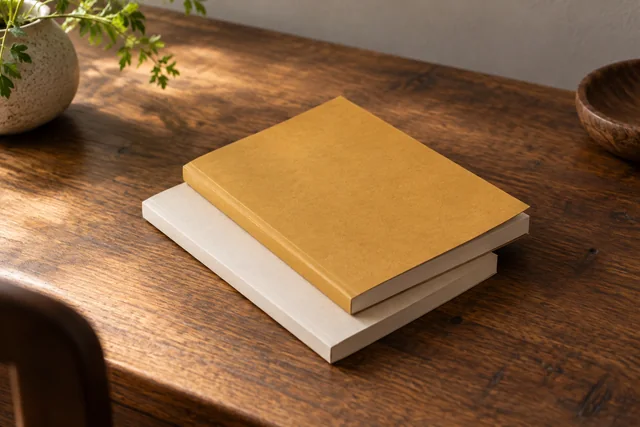
A reading stack is an invitation, not a test of ambition. Mixing pace, length and subject can make it easier to choose a book when attention is uneven and the day has left little room for concentration.

Choose for different moments
Place a longer work beside something you can enter for a few pages. A collection of essays, poems or short stories may suit a brief pause, while a novel can wait for a quieter evening. The contrast is practical rather than hierarchical; a short book is not a lesser kind of reading.
Let curiosity lead one choice
Keep one place in the stack for a subject or voice you would not usually choose. Read a few pages before deciding whether the language invites you further. A recommendation is a starting point, not an obligation. It is reasonable to return a book to the shelf and find something better suited to the moment.
Leave space beside the books
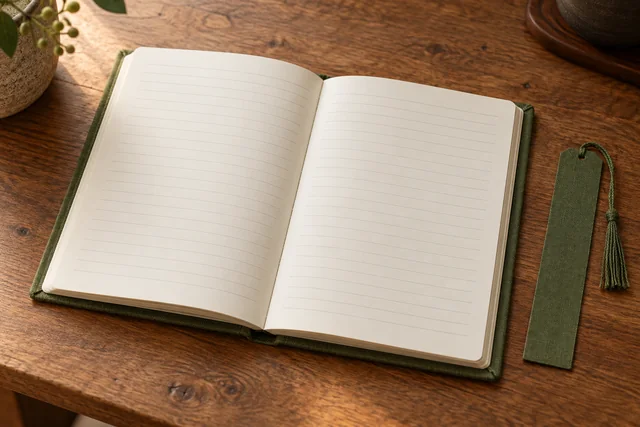
A pencil, a bookmark or a small notebook can be enough to keep a sentence you want to revisit. Avoid building a tracking system more demanding than the reading itself. When the stack begins to feel like unfinished work, reduce it. The most useful reading pile is the one that makes the next page feel available.