The pleasure of a well-made small book
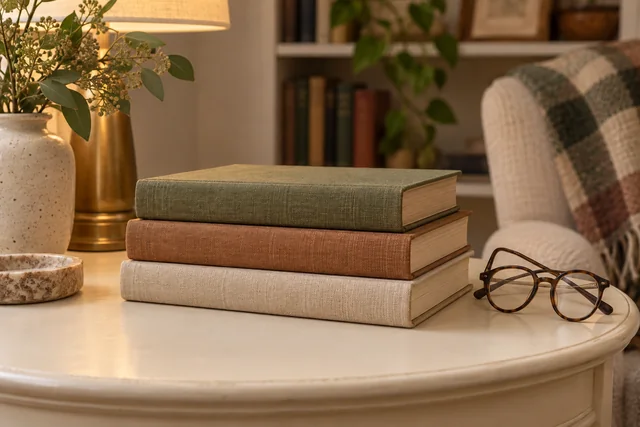
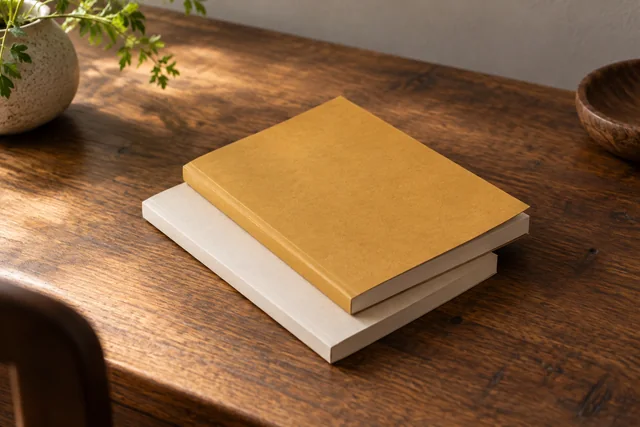
A small book asks for close attention. Paper, binding, type and margin become part of an object held near the body. Its scale can make a short piece of writing feel complete without trying to make it look larger.
Notice how it opens
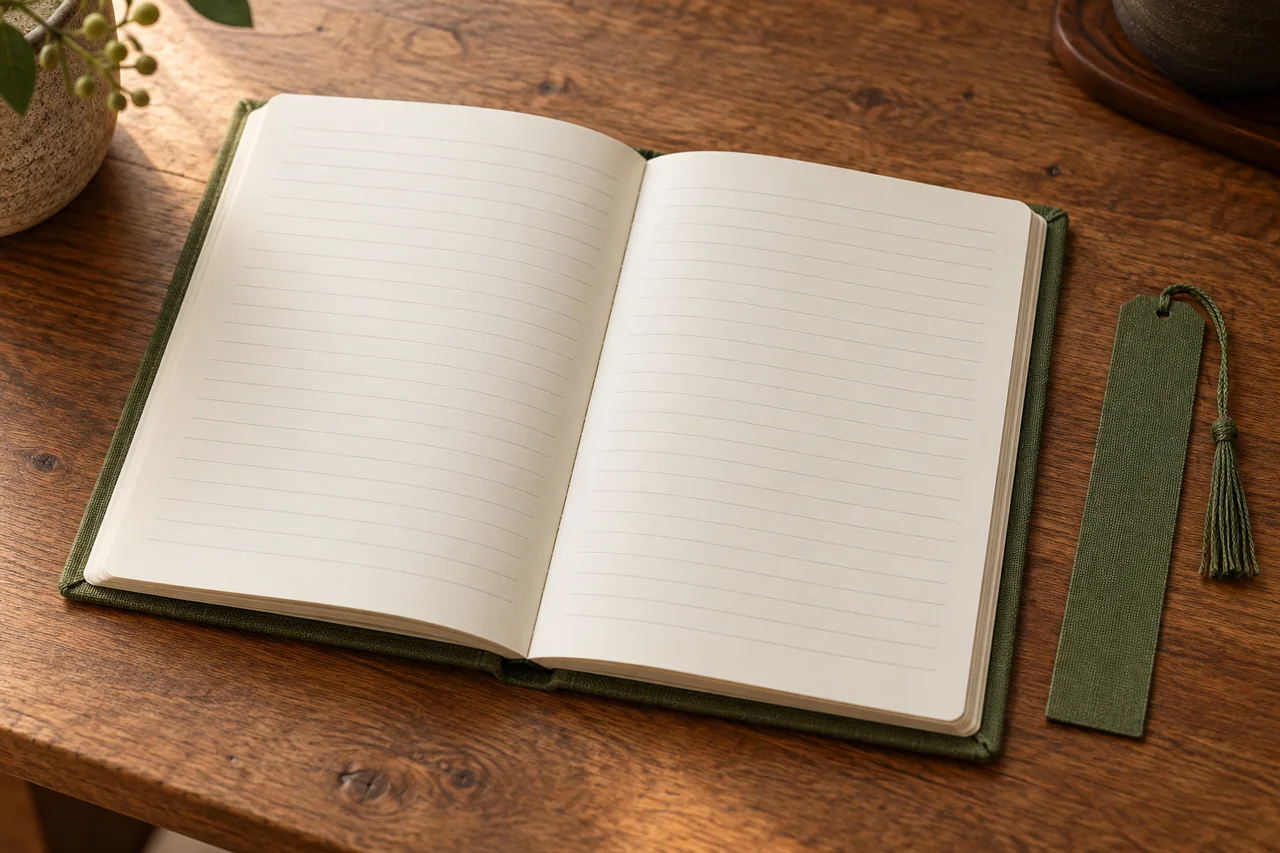
A book’s binding affects whether it rests comfortably in the hand and how much of the page remains visible. Look at the inner margin and the way the pages turn. A compact format should not require cramped typography. The physical design works best when it supports the pace and character of the text.
Read the quiet details
Paper colour and opacity influence the reading experience, as do line length and spacing. A striking cover may bring you to the shelf, but the interior determines whether you want to stay. Compare a few pages in ordinary light. The most effective design decisions are often the ones you notice only when they are absent.
Find a place for it
Small books travel easily and can be shared with a note tucked inside. They also deserve to be stored without bending or pressure from larger volumes. Choose them for the writing and the making together. Place a slim volume where its spine remains visible or group it with others of a similar scale. A book that can be found easily is more likely to be opened and shared again.